
The Liberation Theology Archives + Our Own Wells Publishing, est. 2025
⬥ Boletín no. 1 : Mujeres para el diálogo | Black Faith & Black Solidarity (1973) | Boletín no. 2: Priests for the Third World ⬥
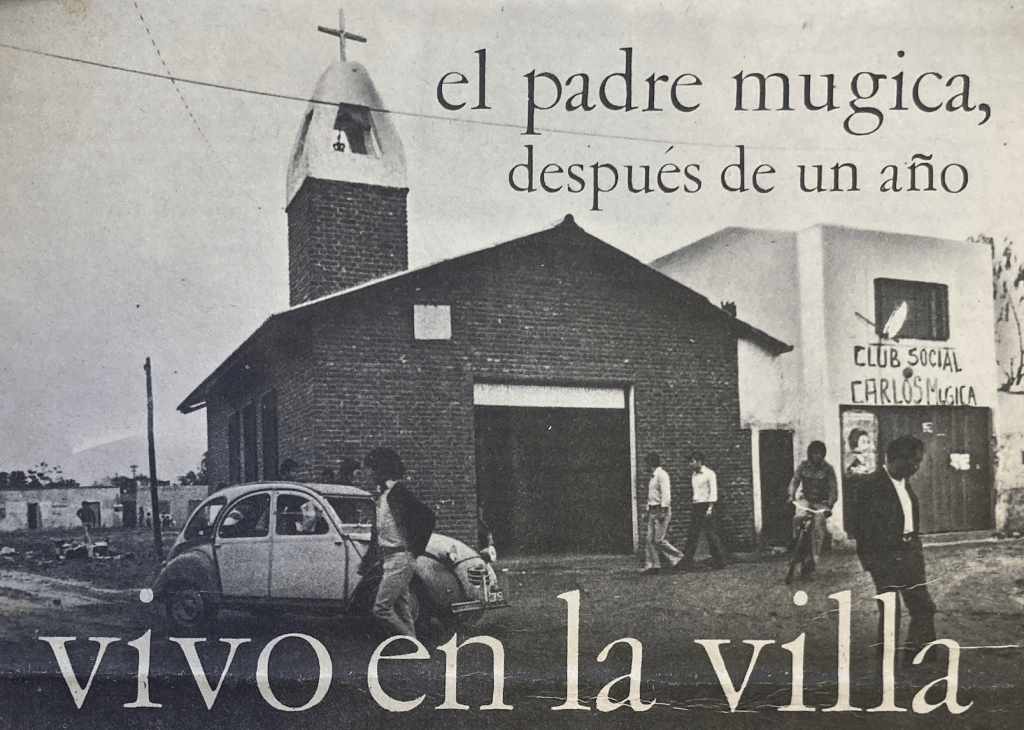
DESPACHOS-DISPATCHES: Despachos brings together journalistic and eyewitness reports written from the frontlines of the social and ecclesial struggle. These are writings born in the immediacy of events — from rural communities and urban parishes to occupied factories, refugee camps, human rights vigils, marches and demonstrations, warzones, campuses, jungle, concrete and dirt. Here you will find witnesses to the groundswell and grassroots movements that liberation theologies reflected in written form.

FRAGMENTOS-EXCERPTS: Fragmentos offers selected passages from books, essays, and other long-form writings from and about the movements. Each excerpt is chosen for an idea, an argument, or a moment that it tells in full colour. These excerpts are chosen for their biographical reflection, their situational analysis, or their polemical take on what the movements meant for those involved, both proponents and adversaries. What is significant here is the oral type of retellings that these fragments represent. These are the moments where the authors really say what it meant for them.
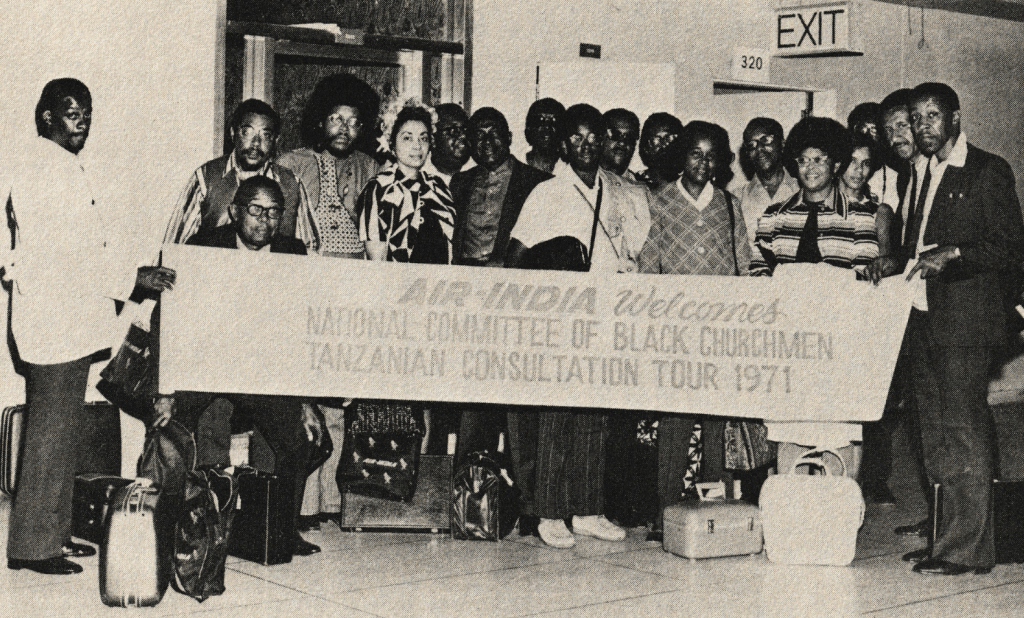
GALERÍA-GALLERY: The Galería is a visual record of the movements and the final repository of all visual materials used on the site. Photographs and videos for the faces and voices of those who spoke, scans of mimeographed posters and pamphlets from those who wrote and showed, materials from archives and personal collections; letters, redacted documents, photos from conferences, journal and book covers, and anything else that displays the aesthetic and artistic production of the social-(theological)-literary movements in question. One of the interests of the Liberation Theology Archives is the materiality and the creativity of movements that were charismatic, liturgical, literary, artistic, demonstrative, and, often, beautiful.
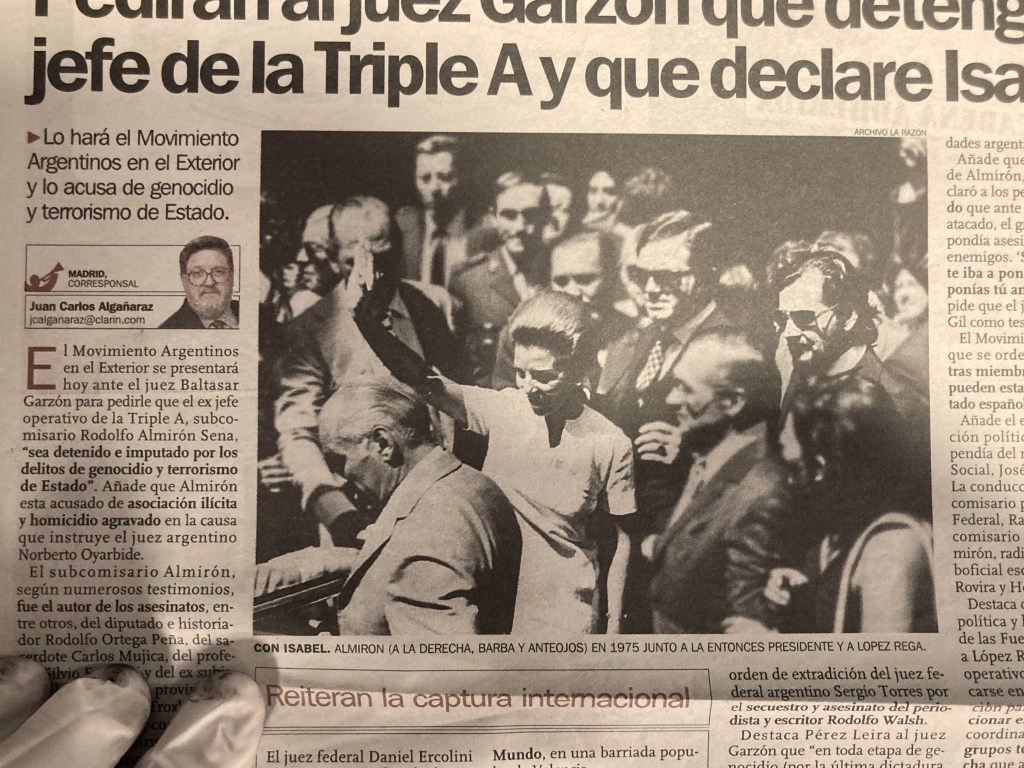
RECORTES-CLIPPINGS: Recortes gathers press materials — newspaper articles, magazine features, and pamphletarian materials — that tracked the emergence, debates, and repercussions of the liberationist current in Latin America and liberation theologies around the world. These fragments of the public record reveal how the movement was seen, contested, celebrated, or misunderstood in its own time. There was a time when liberation theologies, and indeed all major church-based movements, were covered by press for a public that was still, in many places all over, impacted by what went on in the church. And in a time when governments declared a war on liberation theologies, journalists played a significant role on one side or the other, bearing witness to what the CIA declared “Enemy Number One”.
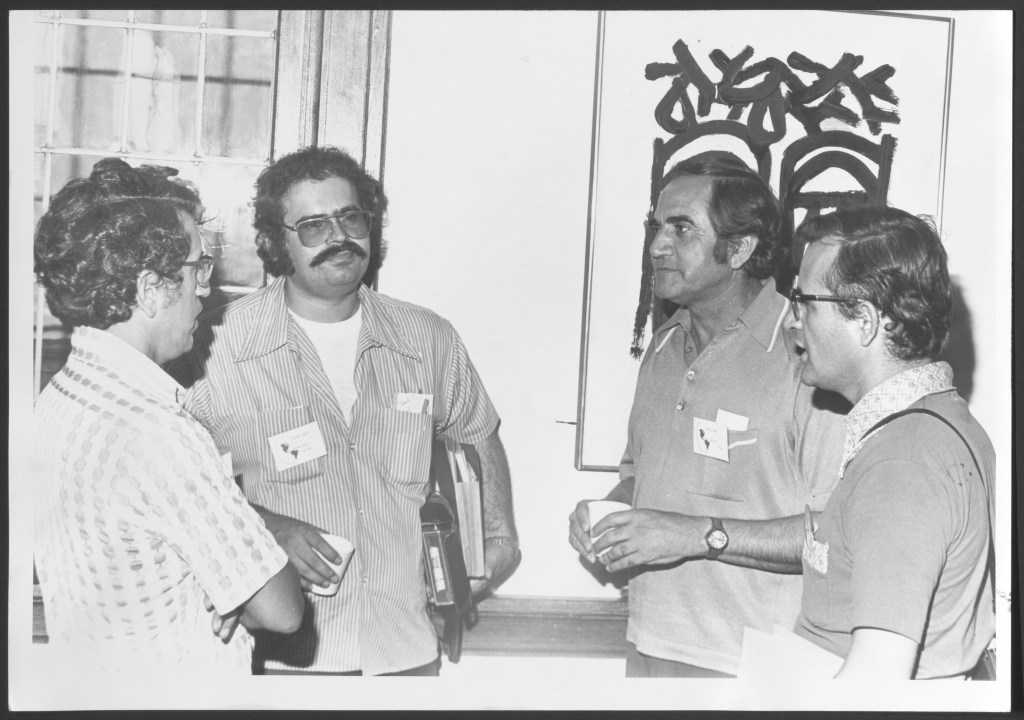
RECUERDOS-RECOLLECTIONS: Recuerdos are brief, personal testimonies — words spoken or written by those who lived and shaped the movement. Drawn from interviews, letters, and oral histories, as well as books, these short recollections convey what it meant, how it felt, who was there, and how it seemed at the time: the who/what/when/where/why/and how of things. As with other sections on the Liberation Theology Archives, priority is given to the testimonies that tell the life of real people more than the content of their theological reflection.
Boletín no. 1 (Apr-Jun):
Mujeres para el diálogo, 1979-onwards
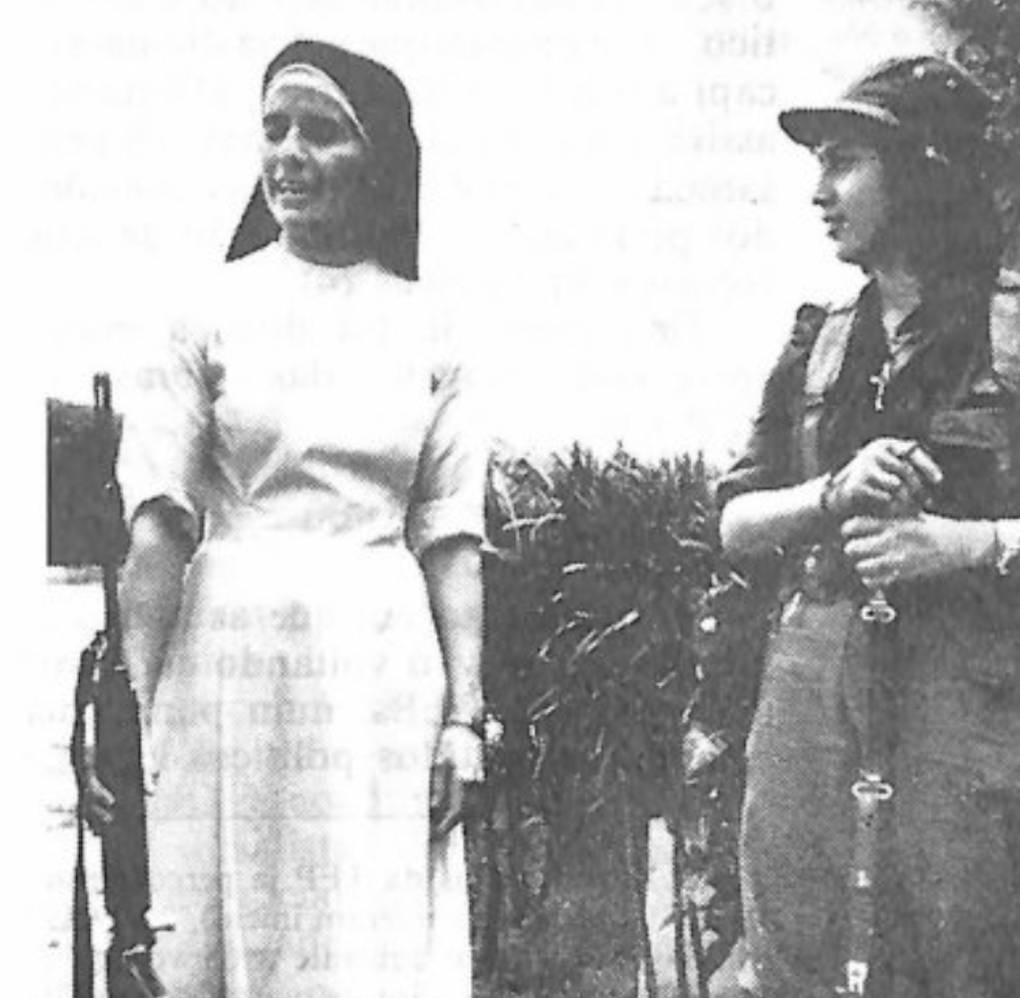
Boletín no. 1 (Apr-Jun) : The Mujeres para el diálogo group established in 1979 as a taskforce of theologians, church activists, sociologists, community workers, journalists and women in religious orders to raise the voice of women’s realities during the male-centered Third General Assembly of Latin American and Caribbean Bishops (CELAM III) in Puebla, México. The Conference had already become a battleground between liberationist and reactionary forces, a “conclave” that would shape the future of the church on the continent, depending on how it all went down. The Apr-Jun Issue brings together documents, witnesses, background materials, and interviews, including with Prof. Elsa Támez, telling the story of the women who led the way from 1979 and into the 1980s. Temporarily Offline (22.12.2025) for website rebuild
Boletín no. 2 (Jul-Sep):
Movimiento de Sacerdotes para el Tercer Mundo,
1967-1976

The July-September Issue focuses on the Movement of Third World Priests (MSTM) which emerged and struggled for freedom and justice in an Argentina under the control of the civil-military dictatorship. LTA editor Alexander Holmes-Brown is off to Argentina, the homeland de sus abuelos, in June conducting interviews and archival visits with the leading researchers on what Michael Löwy dubbed not “Liberation Theology” but “Liberationist Christianity”–the feet on the ground activist networks whose faith and action the theologians of liberation reflected in their written works, that is, the real social movements behind the Theologies of Liberation. Temporarily Offline (22.12.2025) for website rebuild
(Re)Publication 2025:
Black Faith and Black Solidarity, 1973
The first and founding digitisation project of Our Own Wells Publishing and the Liberation Theology Archives is the republication of Black Faith and Black Solidarity: Pan Africanism and Faith in Christ (1973), documenting the groundbreaking 1971 meeting of U.S. Black Liberation Theology advocates and proponents of the African Theology in Dar es Salaam, Tanzania.
New chapters “looking back” from conference participants Dr. Howard Fuller and Rev. Cornish Rogers, as well as an afterword from Rev. Dr. Allan A. Boesak, bring this nearly forgotten document back into the focus of present-day researchers and activists.
The title is available for purchase along with an LTA subscription for £33.00
(approx. USD$45.00)

Boletín no. 3 (Jan-Mar, 2026):
Incommunication in Black and Latin American
Theologies of Liberation, 1973-onwards
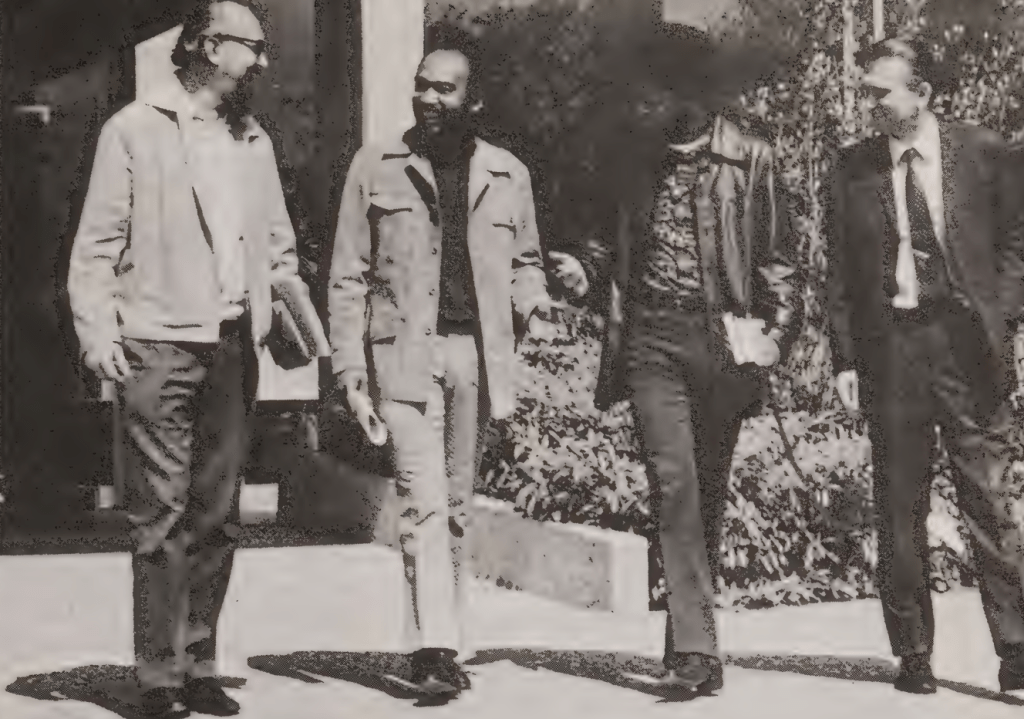
In 1973 James H. Cone sat on a panel in front of a nearly all-white European audience who themselves had come to the World Council of Churches (WCC) centre in Geneva, Switzerland, to make what sense they could of the emergent U.S. Black Theology of Liberation and la teología de la liberación being developed in Latin America. Cone’s fellow panelists–Hugo Assmann and Paulo Freire representing LALT, and Eduardo Bodipo-Malumba co-representing BTUSA–were to make their cases before this discerning European crowd. What they made of each other and of the staging of the dialogue led to the title of the WCC volume documenting the standoff, “incommunication.” Coming soon . . .
Boletín no. 4 (Apr-Jun, 2026):
The Ecumenical Association of Third World Theologians
EATWOT/ASSET: Routes and Roots before 1976

2026 marks the 50th anniversary of the Ecumenical Dialogue of Third World Theologians Conference in Dar es Salaam, Tanzania, the first of EATWOT’s international symposiums bringing African, Asian, Latin American (and First World minority) theologians and church based activists together for the common vision of doing theology and church life from the lived realities, the economic struggles, and the cultural perspectives of the Third World. The road to and from this watershed conference were not easily walked hand-in-hand. The multiplicity of perspectives, the immediacy of one’s own struggle, the battle of meanings was already present in Geneva, 1973 (Boletín 3) and at Detroit, 1975.
The Apr-Jun Issue of the LTA boletín brings together documents and witnesses to the debates and dialogues that preceded the Dar es Salaam EATWOT encuentro. Coming soon . . .
Latest Posts:
- Chapters: Marina Lessa, “The Family and The Church”, 1979
- Chapters: Yolanda Lallande, “Something About New Ministries”, 1979
- Chapters: Ana Francisca Palomera, RSCJ, “Reflections on the Religious Life within a Theological Focus”, 1979
- Chapters: Esperanza Monroy, “The Family in Our Society”, 1979
- Chapters: A Mexican Couple, “Sexuality and Christianity: An Attempt at Reconciliation”, 1979
The Liberation Theology Archives & Our Own Wells Publishing, established 2025 for the digitisation and distribution of 1960s–present-day liberationist texts and testimonies, increasing access through translation, preservation, and care.
Rights, Use & Permissions
Copyright and Permissions Policy | Terms of Use | Privacy Policy | Cookie Policy (UK) | Permissions and Reuse Requests